
Property · Capital gains tax · Tax planning
Your property is up $1 million. Sell now, or wait? The CGT changes from 1 July 2027
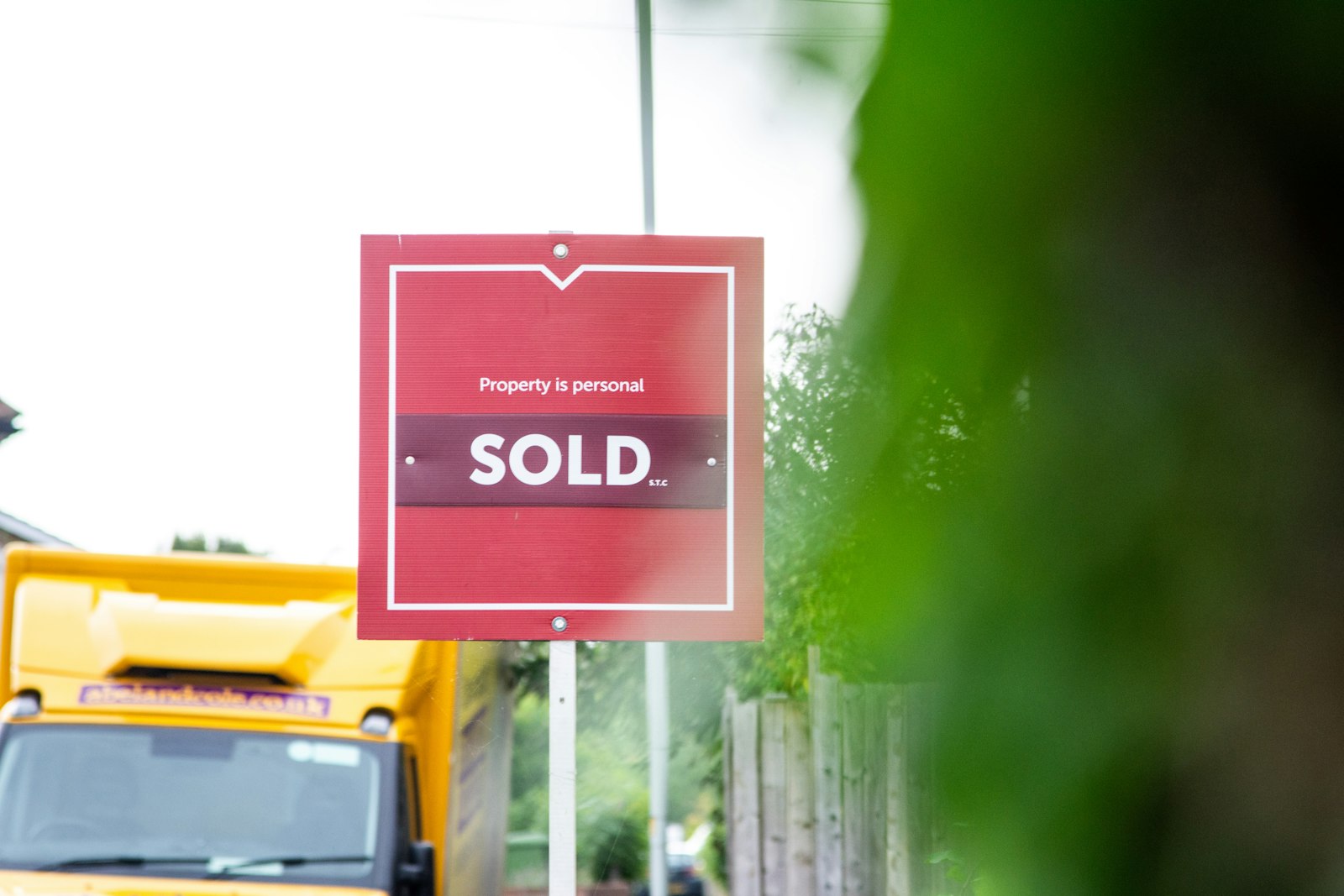
We see this often. A client calls, delighted: “Good news, we sold the investment property yesterday.” Then comes the next sentence: “Can you tell us how much tax we’ll pay?”
Once we’ve done the numbers, they are usually less delighted.
Many investors look at two figures: bought for $1 million, sold for $2 million, so a $1 million profit. As tax advisers, the question we ask is different: of that $1 million, how much actually stays with you?
That question now needs more thought than before, because the capital gains tax (CGT) rules are changing.
What is changing, and when
Until now, individuals and trusts that held an asset for more than 12 months could usually apply the 50% CGT discount: only half the gain was taxed.
For gains made from 1 July 2027, that changes:
- The 50% discount is replaced by indexation. Instead of halving the gain, the cost base is adjusted for inflation, and tax is worked out on the “real” gain above inflation.
- A 30% minimum tax applies to resident individuals. If the ordinary tax on certain capital gains works out at less than 30%, a top-up brings it to 30%. It is a minimum, not a cap: if your ordinary tax on the gain is already higher, nothing changes.
These measures are already law. They were passed in the Tax Reform No. 1 Acts of 2026 and start on 1 July 2027. Some details, such as an optional apportionment method and the exact definition of a new build, will be set out in further rules.
The change covers CGT assets generally, including shares as well as property.
What is not changing
- Your main residence exemption is unchanged. A home that is fully exempt now stays exempt.
- Complying super funds, including SMSFs, keep their one-third CGT discount.
- Companies never had the CGT discount, and the new indexation rules don’t apply to them.
Should you sell before 1 July 2027?
Not necessarily. The new rules don’t apply to your whole gain just because you sell after 1 July 2027.
| Part of the gain | How it is treated |
|---|---|
| Gain built up before 1 July 2027 | Existing rules, generally the 50% discount where eligible |
| Gain built up from 1 July 2027 | Indexation, plus the 30% minimum tax where it applies |
| When the tax is paid | When you sell, not at 1 July 2027 |
By default, the split is worked out using the market value of the asset just before 1 July 2027. You don’t have to report anything in your 2026–27 return because of the change. But if you hold property or shares that have grown a lot, it is sensible to keep evidence of their value at that date, such as a valuation.
There is also a special rule for qualifying new builds: eligible owners can keep the 50% discount or choose indexation instead. What counts as a “new residential dwelling” will be defined in further rules, so check before you rely on it.
The questions to ask now
Say you bought an investment property many years ago for $1 million, and it’s now worth close to $2 million. The question isn’t only “will it keep going up?” It is:
- What would the tax be if I sold now?
- What would it be if I sold after 1 July 2027?
- How is the gain before and after 1 July 2027 treated?
- Which year will my income be higher or lower? Am I close to retiring?
- Is the property in my name, a trust or another structure?
- If I sell and reinvest, how do the new and old investments compare after tax?
Different answers can lead to very different after-tax results.
A capital gain is never just sale price minus purchase price
The calculation can also involve:
- The purchase costs, including stamp duty and legal fees
- Some capital improvements
- Selling costs
- Holding costs you couldn’t claim each year that may form part of the cost base
- Capital losses you can use
- Your other income in that year
- The structure that owns the asset
- The financial year the sale falls in
Two owners can both say “my property went up $1 million” and keep very different amounts.
Don’t wait until the contract is signed
If you are thinking about selling an asset that has grown a lot in the next few years, talk to your accountant before you sign the contract. After the contract is signed, most of what we can do is calculate a result that has already happened, rather than plan it.
With the rules changing, the timing of the sale, the income year, the type of asset, the structure, and how much of the gain arose before and after 1 July 2027 can all affect the final result.
Before you decide, answer three questions:
- When should I sell?
- In which financial year should the sale fall?
- After tax, how much wealth do I actually keep?
The question isn’t “how much did the property make?” It’s “how much do I have left after I sell and pay the tax?”
We plan the structure before you buy, the tax while you hold, and the CGT before you sell. In the end, your wealth is measured by what stays with you, not the paper gain. If you’re thinking about selling in the next few years, talk to us first and we’ll work through the numbers with you.
General information only, current as at November 2026. The CGT changes described are law but start on 1 July 2027, and some details depend on further legislative instruments. This article is not personal financial, tax or legal advice and does not take your circumstances into account. Please speak to a registered tax agent before making a decision.